
The communications profession is moving quickly, and keeping pace requires leaders to make clear choices about which shifts deserve their attention, which capabilities require investment and which practices have run their course.
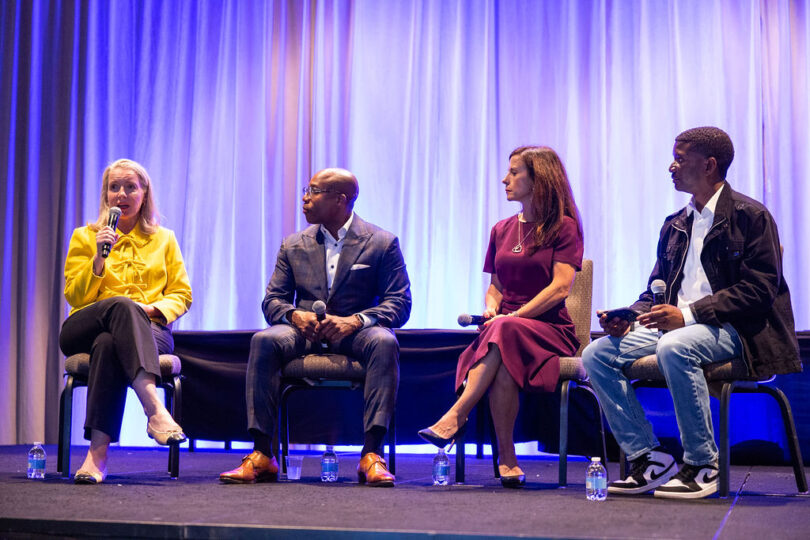
At PRSA ICON 2026 in Orlando, Fla., Thomas Bennett III, SVP at FleishmanHillard and Co-chair of the PRSA Black Voices Affinity Group, brought together three senior communications executives for a candid examination of the forces reshaping the profession during “2026 Communications Trends: What’s Now, What’s Next, What’s Over?”
Joining Bennett were Erica Ettori, SVP of corporate communications at Universal; Damon Jones, chief communications officer at Procter & Gamble; and Hannah Vazzana, chief brand & communications officer at Hilton Grand Vacations.
Together, the group explored the evolving expectations facing communications leaders, the trends influencing how organizations engage their stakeholders and the skills professionals will need as the industry enters its next chapter.
What’s Now: Communications Has a Bigger Business Mandate
The panel began with the realities communications leaders are navigating today. Reputation, culture, technology, employee expectations and an increasingly fragmented information environment have expanded the scope of the function.
For senior practitioners, that evolution requires a sophisticated understanding of the business behind the brand. Communications leaders increasingly need to understand how their organizations operate, where growth is coming from, what concerns executives and how external events could affect business priorities.
The conversation also addressed the pressure communicators face to respond quickly while maintaining sound judgment. Speed matters, but so do context, credibility and an understanding of when an organization genuinely needs to enter a conversation.
What’s Next: Technology Will Raise the Bar for Talent
Looking ahead, the panel examined how emerging technology, including artificial intelligence, is changing the way communications teams research, create, analyze and operate.
Rather than focusing solely on the tools themselves, the conversation considered what technological change means for talent. As routine tasks become easier to automate, distinctly human capabilities such as judgment, creativity, curiosity, relationship building and cultural intelligence become increasingly valuable.
The implications also extend to leadership development. Organizations will need to think carefully about how junior professionals gain the experiences that historically helped communicators develop judgment when technology can now perform portions of that foundational work.
What’s Over: Communications for Communications’ Sake
The session also challenged attendees to examine habits the profession may have outgrown.
The panel discussed encouraging practitioners to evaluate whether longstanding approaches still serve audiences, organizations and business objectives.
That willingness to let go can be as important as adopting something new. Strong communications teams continuously assess where their time creates value and where convention may be standing in the way of progress.
Staying Ready for What Comes Next
The conversation reinforced the value of staying curious, understanding the business, investing in relationships and continuing to develop skills that technology cannot easily replicate.
For emerging professionals, that means building breadth alongside technical expertise. For senior leaders, it means building teams that can adapt without losing the strategic judgment and credibility that make communications valuable in the first place.
No one can predict every shift the profession will face. Leaders who stay close to culture and their businesses, and who are willing to evolve, will be better prepared to shape what comes next.
Photo by Albert Chau